
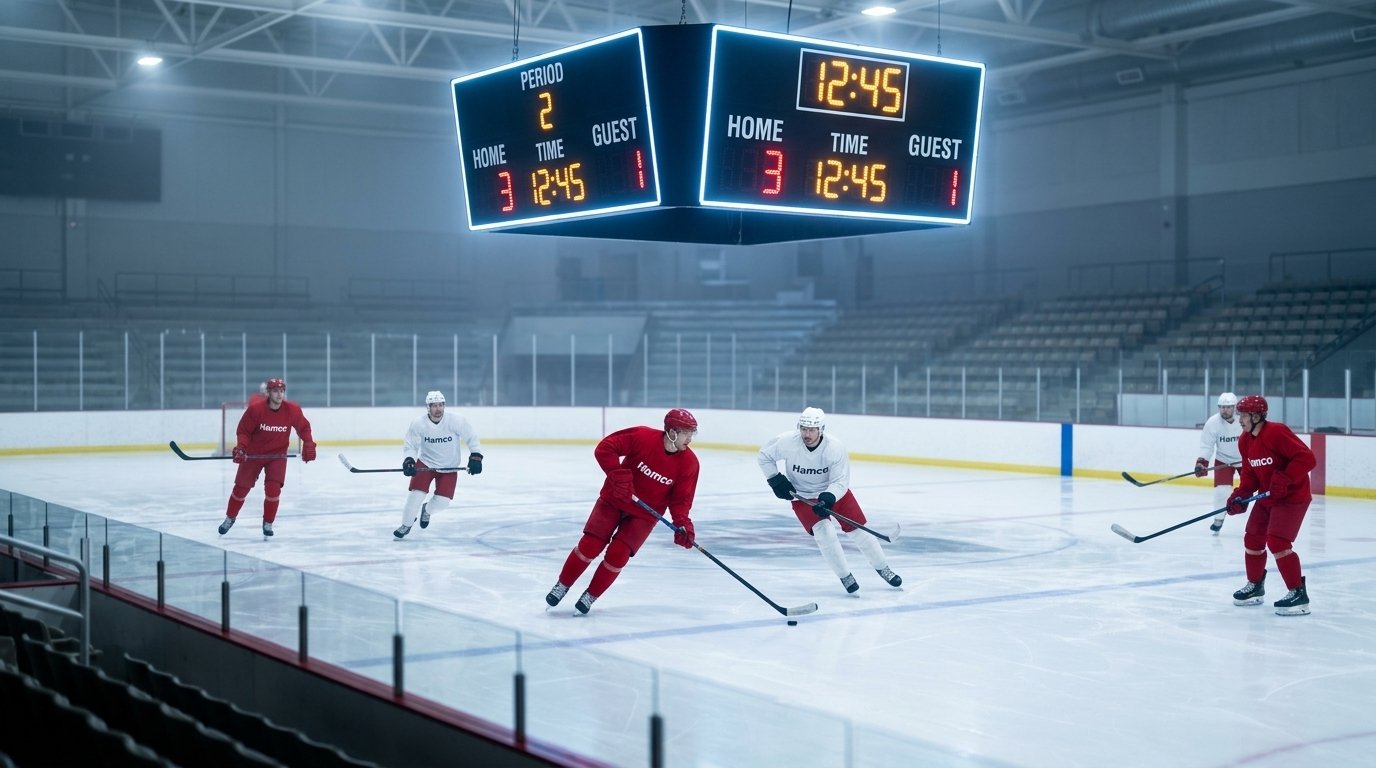
| Quick Answer A hockey period is 20 minutes of clock time, and a game has three of them, so a full game is 60 minutes on the clock. Because the clock stops on every whistle, the real time you sit in the stands is closer to 2 hours and 30 minutes. Hockey uses three periods, not quarters. Youth and high school periods are shorter. |
If you are new to hockey, the clock is the first thing that confuses you. The scoreboard says 20 minutes, the game lasts almost three hours, and nobody explains the gap. So how long is a hockey period? Twenty minutes of clock time at the top levels, and three of those make a full game. The longer answer, which matters if you are planning a night out or a rink pickup, is that clock time and real time are very different things, as any parent staring at our gear checklist at 6am already suspects. Here is the full breakdown by level.
First, the question people are almost too shy to ask: how many quarters in hockey? None. Hockey does not use quarters at all. It is divided into three periods, which trips up fans coming from basketball or football. So if you were wondering how many periods in hockey, the answer is three, whether you are watching the NHL or a squad still picking team names. The table below lays out the length at every level, then we walk through each one.
| Level | Periods | Each | Game Clock | Overtime |
| NHL | 3 | 20 min | 60 min | 5 min at 3 on 3, then a shootout |
| NCAA college | 3 | 20 min | 60 min | 5 min sudden death in the regular season |
| High school | 3 | 15 to 17 min | 45 to 51 min | Varies by state |
| Youth (Peewee, Bantam) | 3 | 12 to 15 min | 36 to 45 min | Often none |
| Mite and 8U | Cross ice, running clock | short | Fits the ice slot | None |
NHL: Three 20 Minute Periods
In the NHL, and in most professional and international hockey, a game is three periods of 20 minutes each, for 60 minutes of clock time. That clock is strict about one thing: it only runs while the puck is in play. The instant a whistle blows, for a goal, an icing, an offside, or a penalty, the clock stops. So how long is a period in ice hockey in real minutes? A single 20 minute period usually takes 35 to 40 minutes of actual time once you count all the stoppages and the constant line changes.
Intermissions: 15 to 18 Minutes
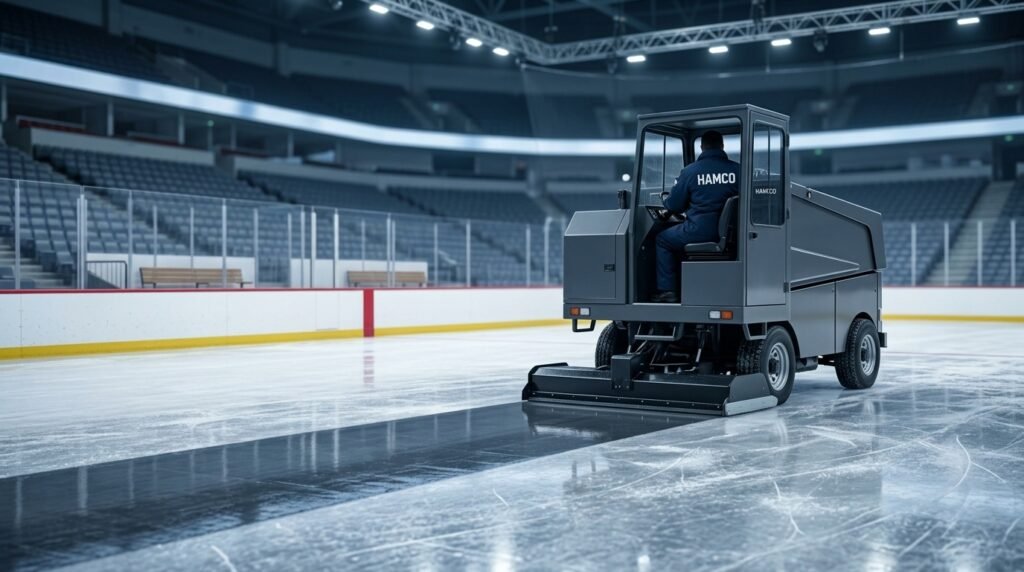
Between the periods are two intermissions, each about 15 to 18 minutes long, with the NHL standard at 18. This is not just a bathroom break. It is when the ice crew runs the Zamboni to resurface the sheet, scraping off the ruts and laying down fresh water that freezes clean. Two intermissions add more than half an hour to the night by themselves.
Real Time vs Clock Time
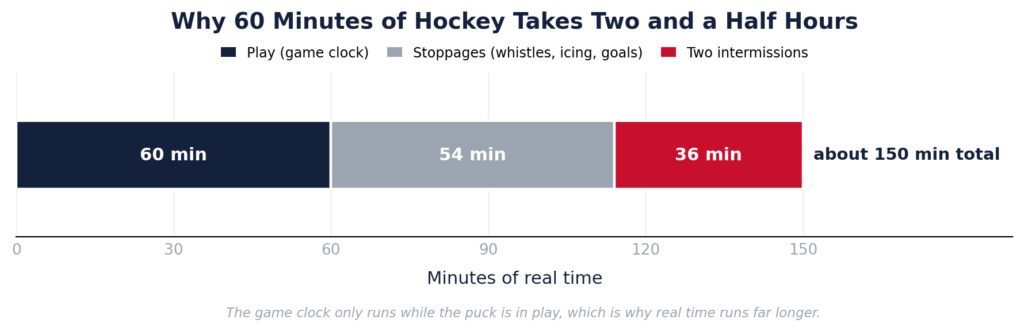
Here is the honest math no scoreboard shows you. Sixty minutes of clock time, plus roughly 36 minutes of intermissions, plus close to an hour of stoppages, adds up to about 2 hours and 30 minutes for a typical NHL game. The chart shows where those two and a half hours go. So when someone asks how long is each period in a hockey game in real terms, the answer is about 40 minutes of your evening per period, not 20.
NHL Overtime: 5 Minutes Plus a Shootout
If the score is tied after three periods, the game is not over. In the NHL regular season, teams play a single 5 minute overtime, and it is played 3 on 3 instead of 5 on 5, which opens up the ice for breakaways and quick goals. It is sudden death, so the first goal wins. If nobody scores, the game goes to a shootout, a one on one skater versus goalie contest. The playoffs are more dramatic: no shootout, just full 20 minute sudden death periods played over and over until someone scores, which is how you get a game that runs past midnight.
NCAA: Same 20 Minute Periods
College hockey under the NCAA uses the same structure as the pros: three periods of 20 minutes, 60 minutes of clock time. Overtime is where it differs. A tied regular season game usually goes to a single 5 minute sudden death overtime, and conferences may add a shootout to decide standings points. If you can follow an NHL clock, you can follow a college one.
High School and Youth Variations
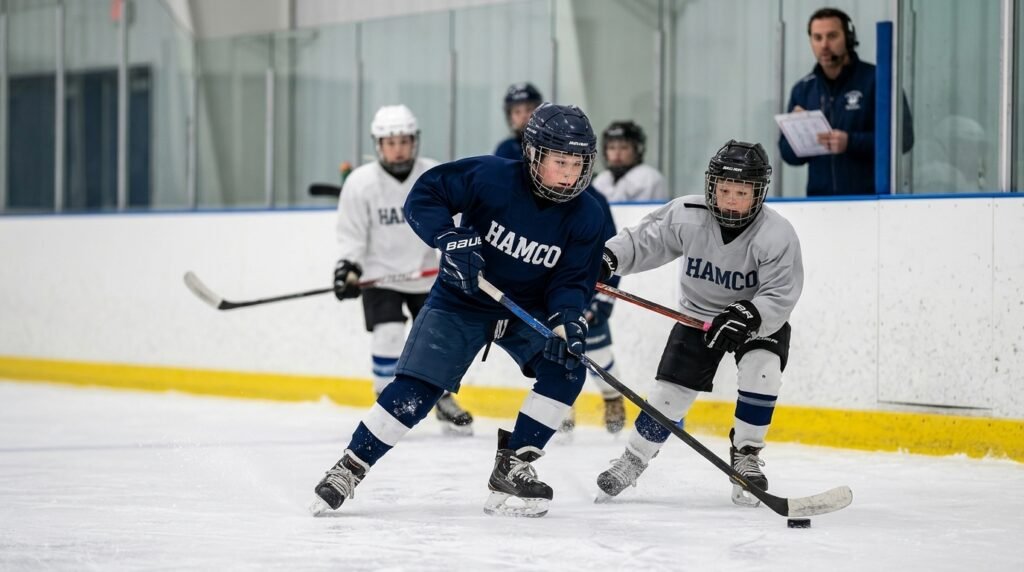
This is where the 20 minute rule bends, and where most parents spend their weekends. High school hockey usually plays three periods of 15 to 17 minutes, set by the state association. Youth hockey scales down further and leans on the ice slot a club has rented. Peewee and Bantam often run three periods of 12 to 15 minutes, while the youngest players at Mite and 8U play cross ice on a shortened rink with a running clock, since the goal at that age is touches and fun, not a stopwatch. If you want to know how long is a period of hockey for your child, the honest answer is to ask the coach, since it is built around the rink booking as much as the rulebook.
Long games in cold rinks are hard on players and on kit, which is why hockey uniforms are built heavier than almost anything else we make. Once you have the sizing, which our jersey sizing guide walks through, our hockey jerseys use durable sublimated twill that holds color through a full season of three period games. Kit the roster in matching hockey apparel and pair it with the right practice training gear from warmups to overtime.
Frequently Asked Questions
Q: How long is a period in hockey?
A: Twenty minutes of clock time at the NHL, international, and college levels. The clock stops on every whistle, so one period takes about 35 to 40 minutes of real time.
Q: How many periods in hockey?
A: Three. A full game is three 20 minute periods for 60 minutes of clock time, with two intermissions in between.
Q: How many quarters in hockey?
A: None. Ice hockey does not use quarters. It is split into three periods, unlike basketball or football.
Q: How long is a full hockey game in real time?
A: About 2 hours and 30 minutes for an NHL game, once you add intermissions and the constant stoppages to the 60 minutes of clock time.
Q: How long is each period in a youth hockey game? A: It varies by age and ice slot. Peewee and Bantam often play 12 to 15 minute periods, while the youngest players use a running clock on a smaller rink.

1 thought on “How Long Is a Hockey Period? Time on Ice vs Time on the Clock”