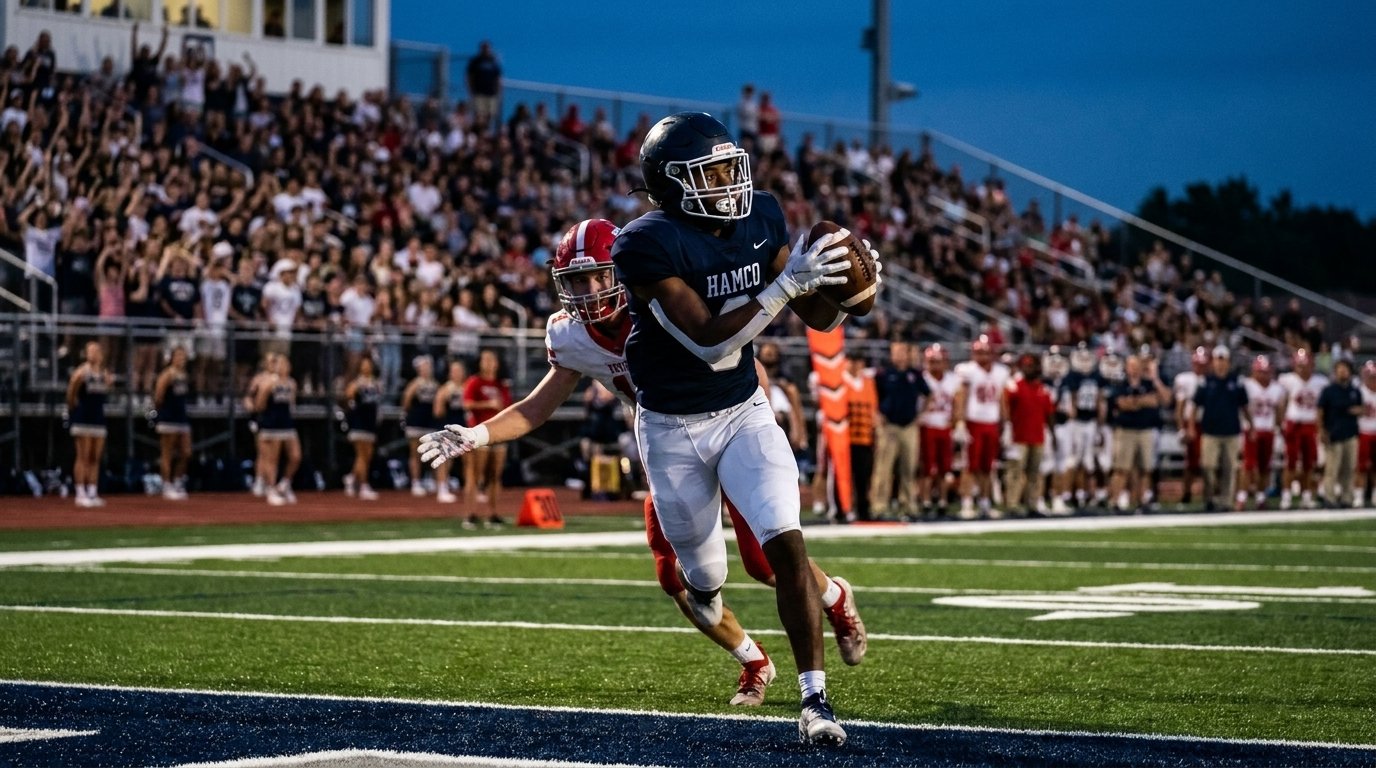
| Quick Answer A pick six is an interception that a defender returns all the way to the end zone for a touchdown. The name joins pick, slang for an interception, with six, the points a touchdown is worth. It scores six points for the defense on a single play and is one of the most damaging plays in football. |
Few plays empty a stadium of one team’s fans and fill it with the other team’s roar as fast as a pick six. One snap the offense is driving for points. The next, a defender is sprinting the other way with the ball, and the scoreboard flips against the team that was supposed to score. It is the kind of swing that decides rivalry games, ends playoff runs, and reshuffles the high school football rankings that coaches argue about every Monday morning.
A pick six rewards far more than luck. The defender has to read the quarterback, break on the throw, catch a ball moving at speed, then outrun an entire offense to the end zone. Traction and top speed matter as much as ball skills, which is one reason defensive backs are so particular about the right football cleats. When every piece comes together, you get the rare play that scores six points for the side that is not even supposed to have the ball.
What Is a Pick Six? The Definition and the Math Behind the Name
A pick six is an interception returned for a touchdown. Break the term apart and the math is plain. A pick is football slang for an interception, the moment a defender catches a pass meant for the offense. Six is the number of points a touchdown is worth. Put them together and a defense scores six points on one uninterrupted play, before the extra point or two point try is even attempted. No offense touches the field for the scoring team. The same eleven defenders who were trying to stop a touchdown end up scoring one instead.
Pick Six vs Regular Interception: What Is the Difference?
Every pick six starts as an interception, but most interceptions are not pick sixes. A regular interception ends when the defender is tackled, steps out of bounds, or kneels down. Possession changes, which has real value, but no points hit the board. A pick six only happens when the defender carries that interception all the way across the goal line without being stopped. So the difference is not how the ball is caught. It is what happens after the catch. One play flips possession. The other flips possession and the scoreboard at the same time. Under flag football rules, a softer version exists, because a defender can intercept and run, but the play dies the instant a flag is pulled rather than at a tackle.
The Scoop and Score: A Pick Six Cousin
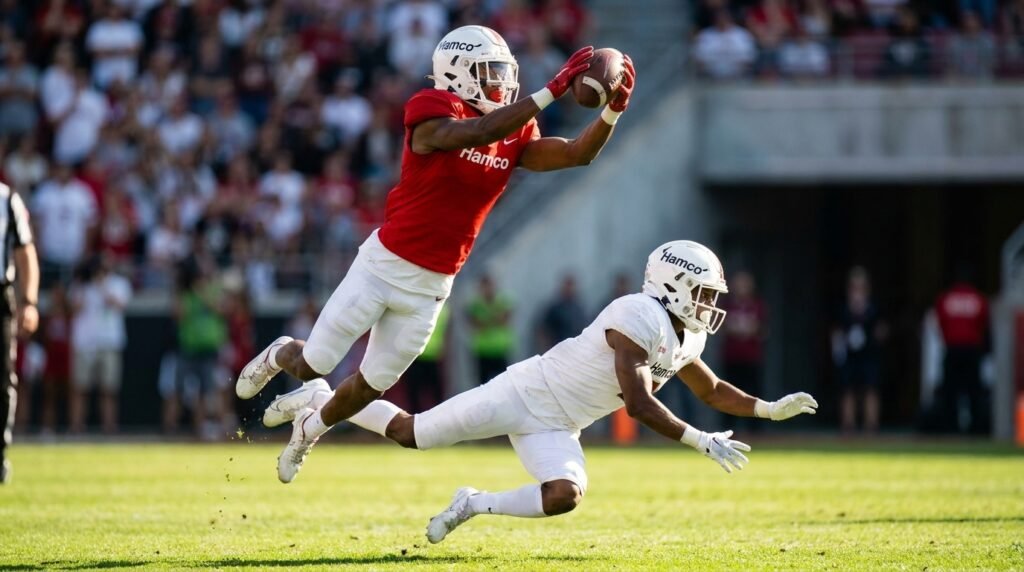
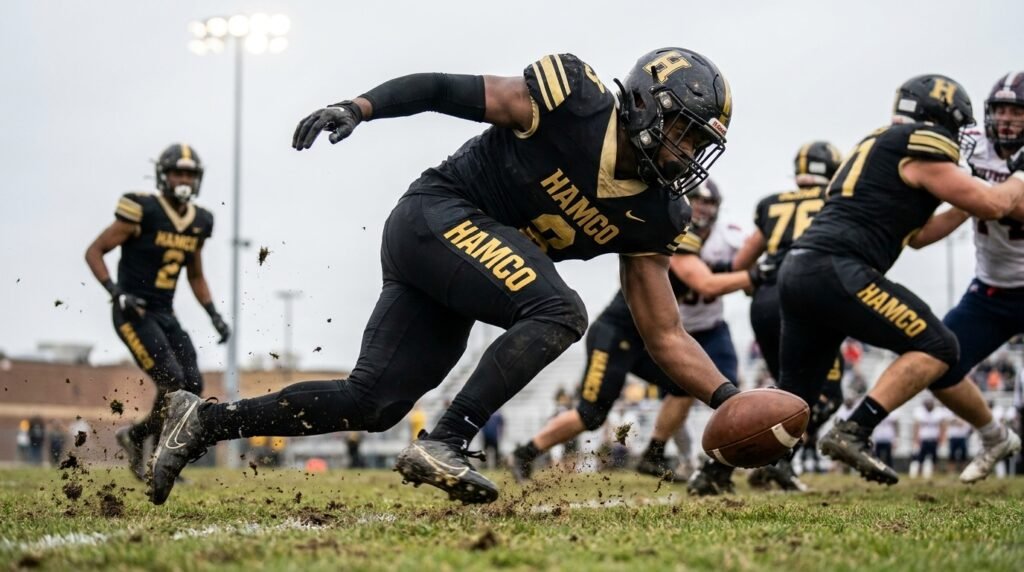
People often lump the scoop and score in with the pick six, and the two are not the same thing. A pick six comes from an interception, a pass caught in the air by the defense. A scoop and score comes from a fumble, where the ball hits the ground after a runner or receiver loses it and a defender picks it up and runs it back. Both are defensive touchdowns and both land like a gut punch on the offense, but only the interception version earns the pick six name. If your young defender is learning to jump routes and chase loose balls, cover the basics first, including a properly fitted helmet, which our youth football helmet guide walks through step by step.
NFL All Time Pick Six Leaders
Only a handful of players have turned the pick six into a signature. The career record belongs to Rod Woodson, and the names right behind him read like a defensive back hall of fame. The table below lists the official career leaders in interceptions returned for a touchdown, per Pro Football Reference.
| Rank | Player | Pick Sixes | Career |
| 1 | Rod Woodson | 12 | 1987 to 2003 |
| 2 (tie) | Charles Woodson | 11 | 1998 to 2015 |
| 2 (tie) | Darren Sharper | 11 | 1997 to 2010 |
| 4 | Aqib Talib | 10 | 2008 to 2019 |
| 5 | Ken Houston | 9 | 1967 to 1980 |
Rod Woodson reached the end zone on 12 interception returns across 17 seasons, a total no one has matched since he retired.
Why a Pick Six Swings Win Probability So Hard
Here is where the pick six earns its reputation, and where the popular 14 point swing line needs a dose of truth. The swing is real, but it describes margin, not a fixed rule. Picture an offense in the red zone expecting to score around seven points. If a pick six happens instead, those seven points do not simply vanish. They land on the other side of the scoreboard. The margin moves from a possible plus seven for the offense to a minus seven, and that is the 14 point swing people talk about. The chart below shows how one red zone possession can finish in very different places.

The catch is that the true effect on win probability depends on the score, the time left, and field position. A pick six in a tied fourth quarter game can move win probability by 30 points or more. The same play in a blowout barely nudges it. The reason it feels larger than any other play is emotional as much as mathematical. The team that was about to take the lead is suddenly chasing it.
Defensive backs rarely get the spotlight that quarterbacks and receivers do, even though they score some of the loudest points in the game. If your player lives in the secondary, gear them up right with our youth football equipment checklist, then dress the whole squad in custom football uniforms built to survive a full season of contact. And when a cornerback takes one to the house on Friday night, the parents in the stands deserve to match, which is exactly what our custom football fan jerseys are for.
Frequently Asked Questions
Q: What is a pick six in football?
A: A pick six is an interception that a defender returns for a touchdown, scoring six points for the defense on a single play.
Q: Why is it called a pick six?
A: Pick is slang for an interception and six is the points a touchdown is worth, so a pick six is an interception worth six points.
Q: Is a pick six the same as an interception?
A: No. Every pick six is an interception, but an interception only becomes a pick six if the defender returns it all the way for a touchdown.
Q: Who has the most pick sixes in NFL history?
A: Rod Woodson holds the career record with 12 interceptions returned for touchdowns, with Charles Woodson and Darren Sharper next at 11 each.
Q: What is the difference between a pick six and a scoop and score?
A: A pick six comes from an interception, a caught pass. A scoop and score comes from recovering a fumble off the ground. Both are defensive touchdowns.