| Quick Answer A hail mary is a long desperation pass thrown to a crowd of receivers in the end zone, almost always on the final play of a half or a game. It is named after a prayer because it leans on luck as much as skill. It works close to 1 in 10 times, which is higher than most fans assume. |
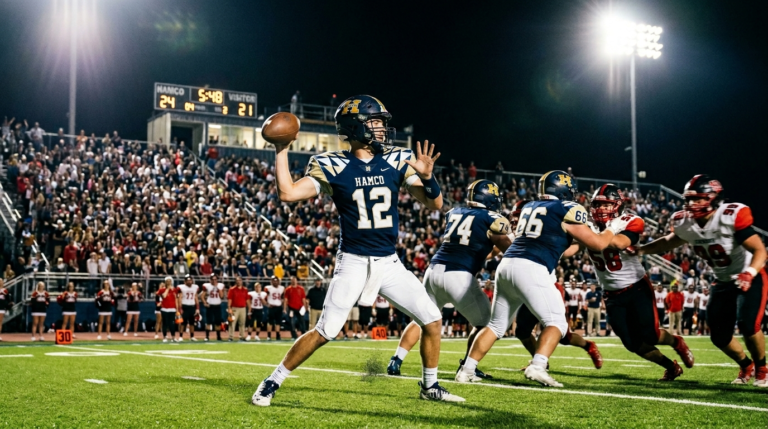
Every football fan has felt this one. The clock is under ten seconds, one team is out of better ideas, and the quarterback heaves the ball as far as he can toward a wall of bodies in the end zone. That is the hail mary, the most desperate play in the sport and the one most likely to produce a moment fans talk about for decades. Like a pick six, it can flip a result in a single snap, except this time the team that is losing launches it on purpose.
The play carries a reputation as a near hopeless heave, a throw and a prayer. That reputation is only half right. A hail mary is a long shot, but it is far from impossible, and one completed pass can end a season, swing a playoff bracket, or shake up the high school football rankings that fans argue about every fall. The real story is more interesting than the myth, so here is where the play came from, how it works, and why it succeeds more often than you would guess.
The Origin: Roger Staubach and 1975
The hail mary is older than its famous name. Players at Notre Dame were calling desperation throws hail marys back in the 1920s, when Catholic teams would say a quick prayer before a long fourth down heave. For about forty years the term lived mostly inside Notre Dame and a few other Catholic schools. It broke into the mainstream on December 28, 1975, in a playoff game between the Dallas Cowboys and the Minnesota Vikings. Cowboys quarterback Roger Staubach, a devout Catholic, threw a 50 yard game winning touchdown to Drew Pearson with the clock nearly gone, then told reporters he closed his eyes and said a hail mary. The line stuck, the play got a name, and the rest of football borrowed it. Staubach did not invent the throw, but he gave it the label every broadcaster now uses.
The Geometry of the Play
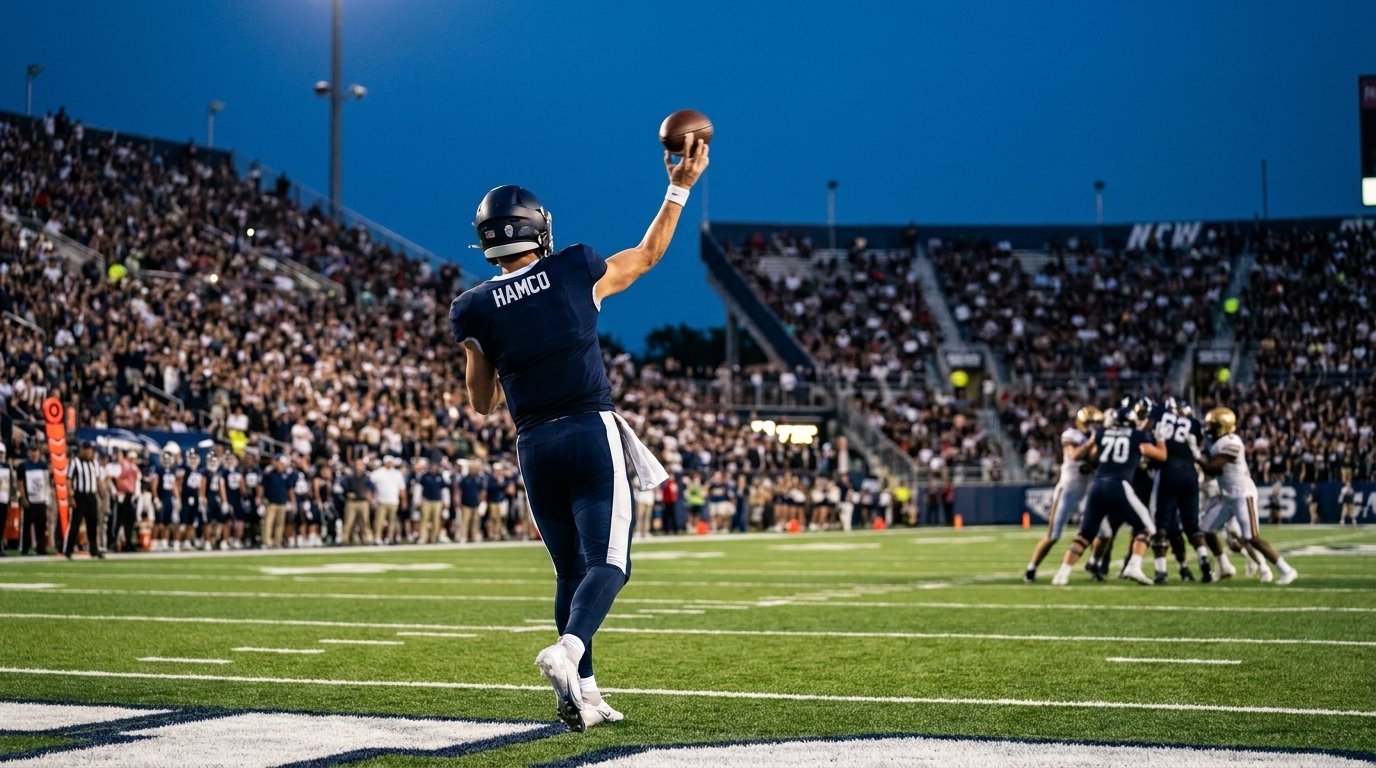
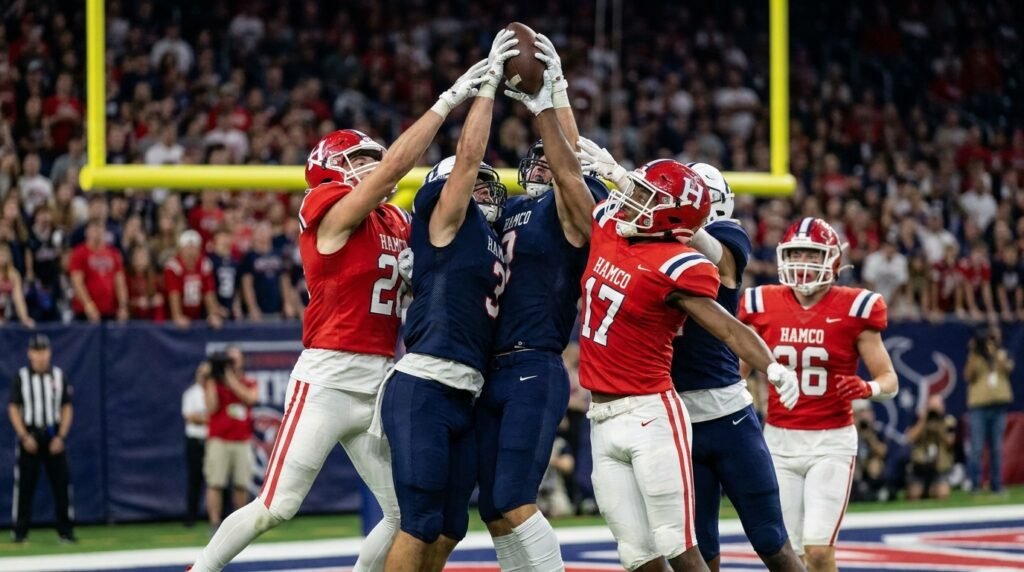
A hail mary runs on simple geometry and brute arm strength. The quarterback has to launch the ball roughly 50 to 70 yards in the air so it comes down in or near the end zone. The receivers do not run normal routes. They sprint downfield and bunch together in a tight group, because the goal is not to get open but to crowd the landing spot. When the ball arrives it becomes a jump ball. The tallest receivers try to leap and either catch it clean or tip it backward to a teammate trailing the pack. That tip is the hidden ingredient in many successful hail marys, since a deflected ball falling into a crowd is chaos that often favors the offense. It is also a violent pile of bodies leaping and colliding at full speed, the kind of contact that makes properly fitted gear matter, which our youth football helmet guide breaks down for younger players.
The Prevent Defense and Why It Loses
On defense, almost every team answers a hail mary with some version of prevent defense. The plan is to drop most defenders deep, rush only three or four players, and stack a wall of bodies between the ball and the goal line. In theory nobody gets behind that wall. In practice prevent defense has earned a cynical nickname, because fans like to say the only thing it prevents is winning. There are real reasons it leaks. Rushing just three players hands the quarterback time to scramble and reset, sometimes for ten seconds or more, until a receiver comes free. Defenders are coached to bat the ball down rather than catch it, but a swat into a crowd can drop right to an offensive player. And in the chaos of a jump ball, officials rarely throw a flag, so contact that would draw pass interference anywhere else on the field often goes unpunished. The rules that govern that end zone scrum are far stricter in limited contact formats like flag football, as our guide to flag football rules lays out.
The Success Rate Is Higher Than You Think
Here is the part that surprises people. A hail mary is not a one in a hundred miracle. ESPN tracked the play from 2009 to 2020 and found about 16 touchdowns on roughly 193 attempts, which works out to close to 1 in 12. Other large samples land near a 10 percent completion rate. Next Gen Stats has measured individual throws even higher, giving a 2021 Saints attempt about a 10 percent chance and a 2020 Kyler Murray throw to DeAndre Hopkins almost 17 percent. None of that makes the hail mary a good play. It is still a last resort, and it gets intercepted often. But the gap between the reputation, which is basically zero, and the reality, which is close to 1 in 10, is wide. The chart below shows it.
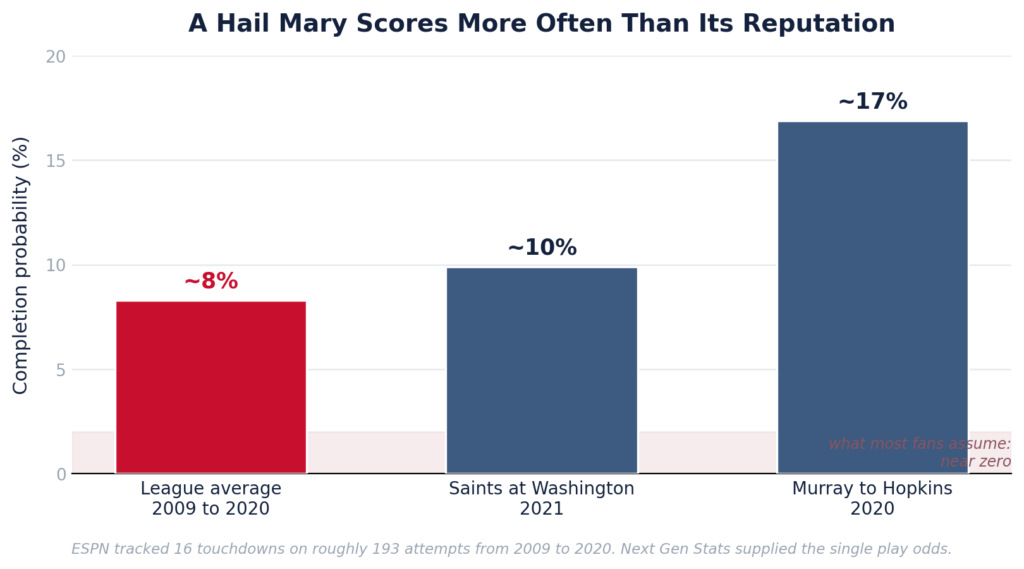
The honest takeaway is that the play is a long shot, not a lost cause. A team with no time and no other options is making a smart bet by throwing it, because something near a 10 percent chance beats the zero percent a kneel down or a checkdown would give them.
The Famous Ones: Flutie, Rodgers, and the Diggs Debate
A few hail marys have outgrown the games they decided. The college standard is Doug Flutie, whose 48 yard touchdown to Gerard Phelan gave Boston College a win over Miami in 1984 and turned the phrase Hail Flutie into part of the language. In the NFL, no one owns the play like Aaron Rodgers. His 61 yard heave to Richard Rodgers to beat the Lions in 2015, called the Miracle in Motown, traveled about 69 yards in the air and stands as the longest game winning hail mary in league history. He hit another in the playoffs weeks later. The table below lists some of the most memorable, including a recent one to show the play has not gone anywhere.
| Year | Quarterback to Receiver | In the Air | Why It Matters |
| 1975 | Roger Staubach to Drew Pearson | 50 yards | Coined the term; Cowboys beat Vikings |
| 1984 | Doug Flutie to Gerard Phelan | 48 yards | Hail Flutie; Boston College beats Miami |
| 2015 | Aaron Rodgers to Richard Rodgers | 61 yards | Miracle in Motown; longest in NFL history |
| 2020 | Kyler Murray to DeAndre Hopkins | 43 yards | Cardinals beat Bills; about 17 percent odds |
| 2024 | Jayden Daniels to Noah Brown | 52 yards | Hail Maryland; Commanders beat Bears |
Stefon Diggs belongs in any talk about last second miracles thanks to the Minneapolis Miracle against the Saints in the 2017 season playoffs, but it is worth being honest about it. That play was not a true hail mary. It was a sideline throw from Case Keenum that Diggs caught in stride before a missed tackle let him run into the end zone. It was a miracle finish, just not the jump ball heave that defines the play. The difference matters if you want to understand what a hail mary really is.

A hail mary is won in a crowd, which is exactly why a receiver’s number has to read clearly from across the field so officials and fans can track the catch. If you want those numbers done right, our football jersey design guide covers fonts, sizing, and placement. When you are ready to outfit the team, our custom football uniforms are built to survive a full season of jump balls and end zone pileups, and the families who want to match their receiver can grab a set of custom football fan jerseys in the same colors.
Frequently Asked Questions
Q: What is a hail mary in football?
A: It is a long desperation pass thrown toward a group of receivers in the end zone, almost always on the last play of a half or game.
Q: Why is it called a hail mary?
A: The name comes from the Catholic prayer. Roger Staubach made it famous in 1975 when he said he closed his eyes and said a hail mary before a game winning throw.
Q: How often does a hail mary work?
A: Close to 1 in 10. ESPN found about 16 touchdowns on roughly 193 attempts from 2009 to 2020, higher than most fans assume.
Q: What is prevent defense?
A: It is a defense that drops most players deep and rushes only a few to stop a long pass. Fans joke that it mostly prevents the defense from winning.
Q: Was the Minneapolis Miracle a hail mary? A: Not really. It was a sideline catch by Stefon Diggs followed by a missed tackle and a run, not the end zone jump ball that defines a true hail mary.