
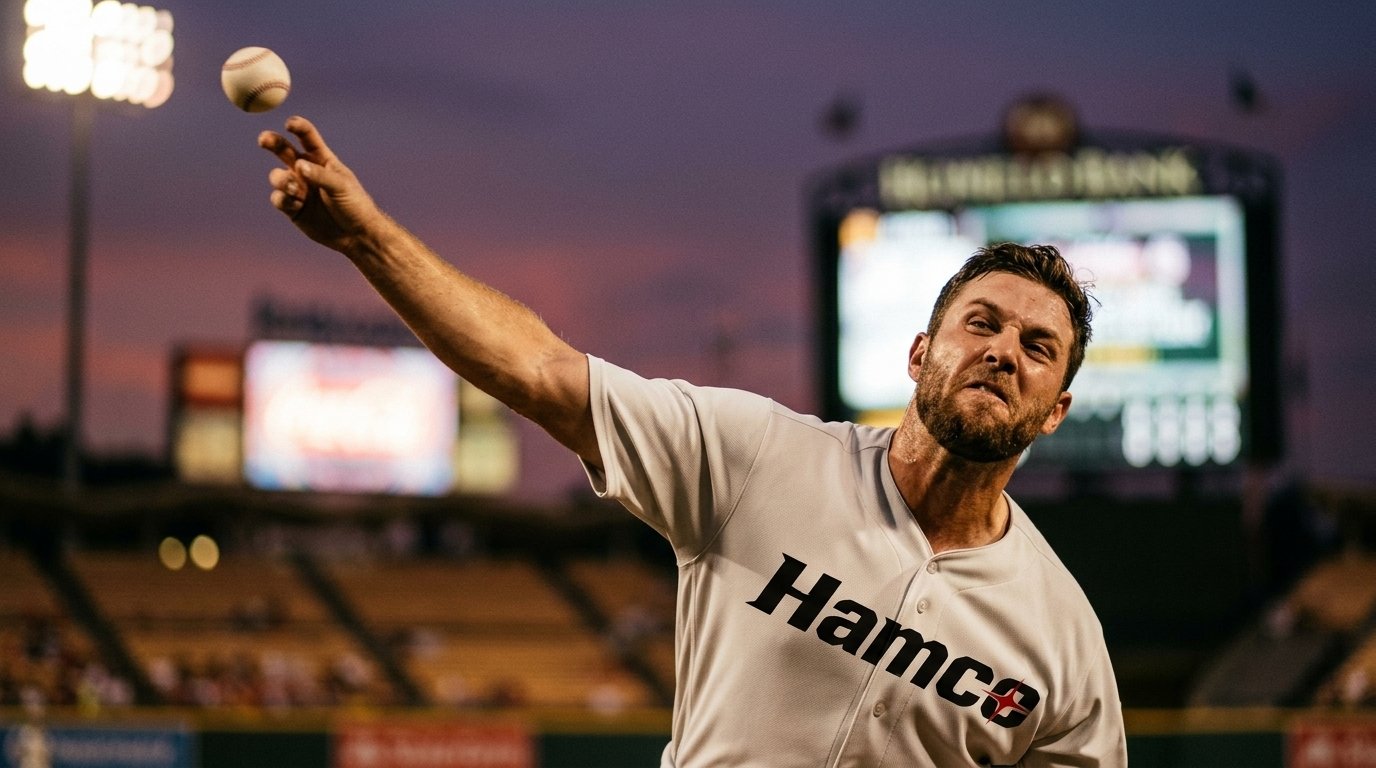
A pitcher cruises into the late innings, the crowd starts buzzing, and the broadcast throws up a graphic that says one of three things: shutout, no hitter, or perfect game. Most fans treat those terms as roughly the same achievement. They are not. They sit on a ladder from fairly common to almost impossible, and mixing them up is the fastest way to look like you do not know the game. So what is a perfect game in baseball, and how is it different from the other two? Here is the honest breakdown, with no fuzzing of the lines. If you want the wider rulebook context, our baseball rules for parents guide covers the calls and terms that trip people up most.
The Four Levels: Shutout, No Hitter, Perfect Game, Immaculate Inning
Think of pitching dominance as a ladder with four rungs, each one harder than the last.
A shutout is the bottom rung and the most common. It simply means the pitching side allows zero runs for the whole game. The pitcher can give up hits, walks, and baserunners all day, and it is still a shutout as long as nobody scores. Plenty of pitchers throw multiple shutouts in a season.
A no hitter is the next rung up. The pitcher allows no hits for the entire game, but here is the catch most people miss: runners can still reach base. There have been more than 300 no hitters in MLB history, which makes them rare but not freakish.
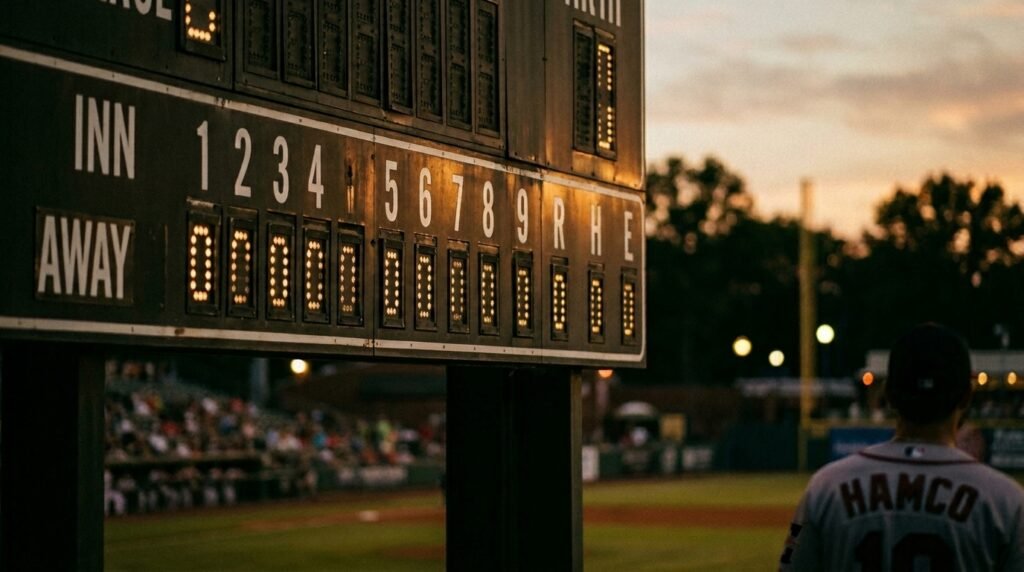
A perfect game is the top rung, and it is brutal. No batter reaches base at all, by any means, across the full game. Twenty seven batters come up, twenty seven batters are retired. There have been only 24 in the entire history of Major League Baseball.
The immaculate inning is a different kind of feat that people lump in by mistake. It is not about the whole game. It is a single inning in which the pitcher throws exactly nine pitches and strikes out all three batters. Impressive, but it measures one inning, not nine.
Why a No Hitter Can Still Allow Baserunners
This is the distinction that separates a no hitter from a perfect game, and it confuses almost everyone at first.
No hits does not mean nobody on base. A pitcher can walk a batter, hit a batter with a pitch, or watch his shortstop boot a grounder for an error, and any of those puts a runner on first without a hit being recorded. The no hitter survives, because the stat that breaks is hits, not baserunners. A pitcher can even technically lose a no hitter, if a walked runner steals second, advances on a ground out, and scores on another, though that is wildly rare.
A perfect game forbids all of it. No hits, no walks, no hit batsmen, no errors, nobody on base ever. That is why every perfect game is also a no hitter, but almost no no hitter is a perfect game. The cleanest way to see the gap is to count baserunners, which is exactly what the WHIP stat does, and our explainer on what WHIP measures shows why a pitcher who allows zero baserunners is doing something the numbers almost never see.
The 24 Perfect Games in MLB History (and the Near Misses)
Twenty four perfect games across roughly 150 years of professional baseball tells you how hard this is. The most recent was Domingo Germán of the Yankees against the Athletics on June 28, 2023. The first belonged to Lee Richmond in 1880. The Yankees own the most with four, and Don Larsen threw the only one in postseason history, in the 1956 World Series.
The near misses are where the honesty comes in, because they prove how much luck and officiating are involved. In 1959 Harvey Haddix threw twelve perfect innings and still did not get credit for a perfect game, because he lost it in the thirteenth. By rule, perfection has to last the whole game, however long that turns out to be. Worse, in 2010 Armando Galarraga retired the first 26 batters and got the 27th on a ground out, except umpire Jim Joyce called the runner safe on a blown call he admitted was wrong afterward. Galarraga lost a perfect game to a mistake that had nothing to do with his pitching. No sugar coating it: a perfect game requires a great arm, a great defense behind it, and a healthy dose of good fortune, and any one of those failing ends the bid.
Why the Modern Era Makes Perfect Games Harder, Not Easier
You would think perfect games would be getting easier. Strikeout rates are at historic highs, and pitchers throw harder than ever. The reality cuts the other way, and it is worth being clear about why.
The biggest reason is pitch count culture. Teams now pull starters around 100 pitches to protect their arms, which means most starters never even reach the ninth inning, let alone finish 27 up and 27 down. A pitcher cannot throw a perfect game from the dugout. On top of that, modern hitters are stronger and swing for power, so one mistake pitch leaves the yard and the bid is over. Yes, eight of the 24 came since 2000, but five of those clustered in a strange burst from 2010 to 2012, and there has not been one since 2023. A pitcher capable of this kind of game posts an elite earned run average, and our breakdown of what ERA measures explains the dominance level involved, but even a microscopic ERA does not promise a perfect game, because the modern game rarely lets a starter go the distance.
What Counts at the Youth and High School Level
At the youth and high school level, the definitions hold, but the math changes because the games are shorter. High school games are typically seven innings and many youth games are six, so a perfect game there means retiring every batter across that shorter distance, not nine innings.
Here is the honest part most coaches will not say out loud: youth perfect games are far more common than the MLB rarity suggests, because shorter games, weaker hitting, and uneven umpiring all make them easier to achieve. That does not make a young pitcher’s perfect game meaningless, it is a real accomplishment, but it is not the once in a decade event it is in the majors. Mercy rules can also end a game early, which technically shortens the path. If your player is chasing strong competition where these feats actually mean something, our list of travel baseball tournaments points to the events worth the drive, and our baseball gear checklist covers what belongs in the bag before you go.
The Short Version
A shutout means no runs. A no hitter means no hits, though runners can still reach base. A perfect game means nobody reaches base at all, 27 up and 27 down, and it has happened just 24 times in MLB history. The immaculate inning is a separate nine pitch, three strikeout feat. Learn those four and you will never confuse the broadcast graphic again, and you will understand why the perfect game sits alone at the top.
Frequently Asked Questions
What is a perfect game in baseball?
A perfect game is one in which a pitcher, or pitchers, retire every batter so that no opposing player reaches base at all across at least nine innings. That means no hits, no walks, no hit batsmen, and no errors. It has happened only 24 times in MLB history.
What is the difference between a perfect game and a no hitter?
A no hitter allows no hits but still permits baserunners through walks, hit batsmen, or errors. A perfect game allows nobody on base by any means. Every perfect game is a no hitter, but almost no no hitter is perfect.
How many perfect games have there been in MLB history?
There have been 24 perfect games in Major League Baseball history. The most recent was thrown by Domingo Germán of the Yankees on June 28, 2023.
Is a shutout the same as a no hitter?
No. A shutout means the pitching team allows no runs, even if it gives up hits and baserunners. A no hitter means no hits, which is a higher bar. They are not the same thing.
Has any pitcher thrown two perfect games?
No. No pitcher in MLB history has thrown more than one perfect game, which is part of what makes the achievement so rare.
A perfect game or no hitter is a team photo moment, so dress the part. Our pitcher jerseys are cut full button for the classic mound look and built for full season wear.
Outfitting the whole roster? Browse our wider range of custom baseball apparel made to last from opening day through the playoffs.No hitter night calls for a team photo jersey. Personalize one in our custom shop.


1 thought on “Perfect Game, No Hitters, and Shutouts: What’s the Difference?”