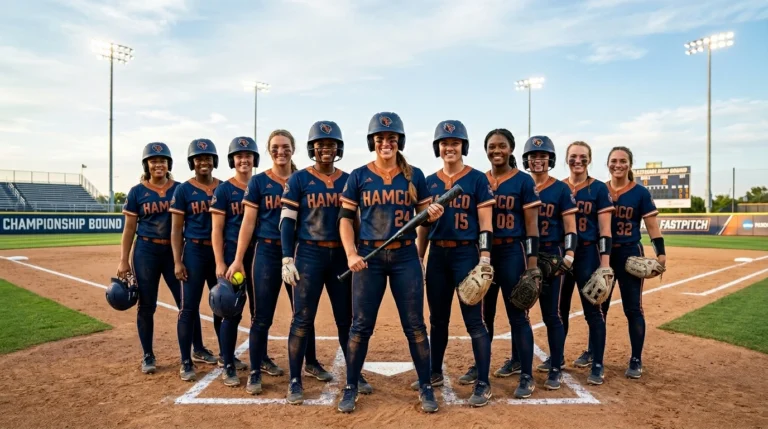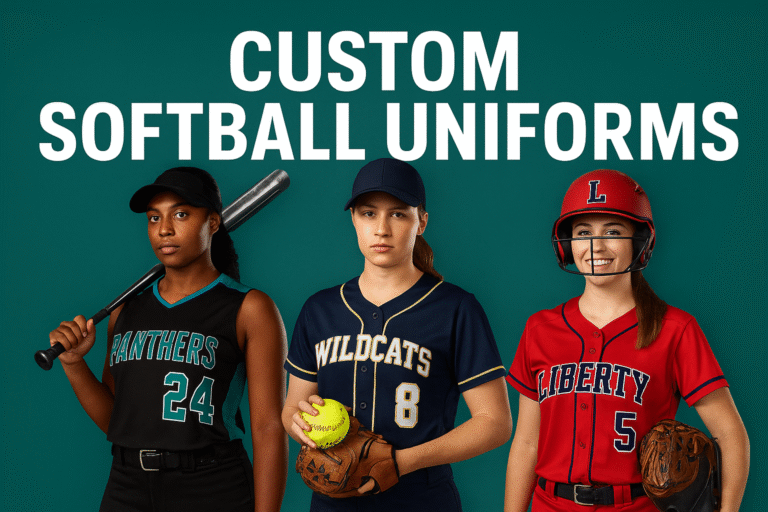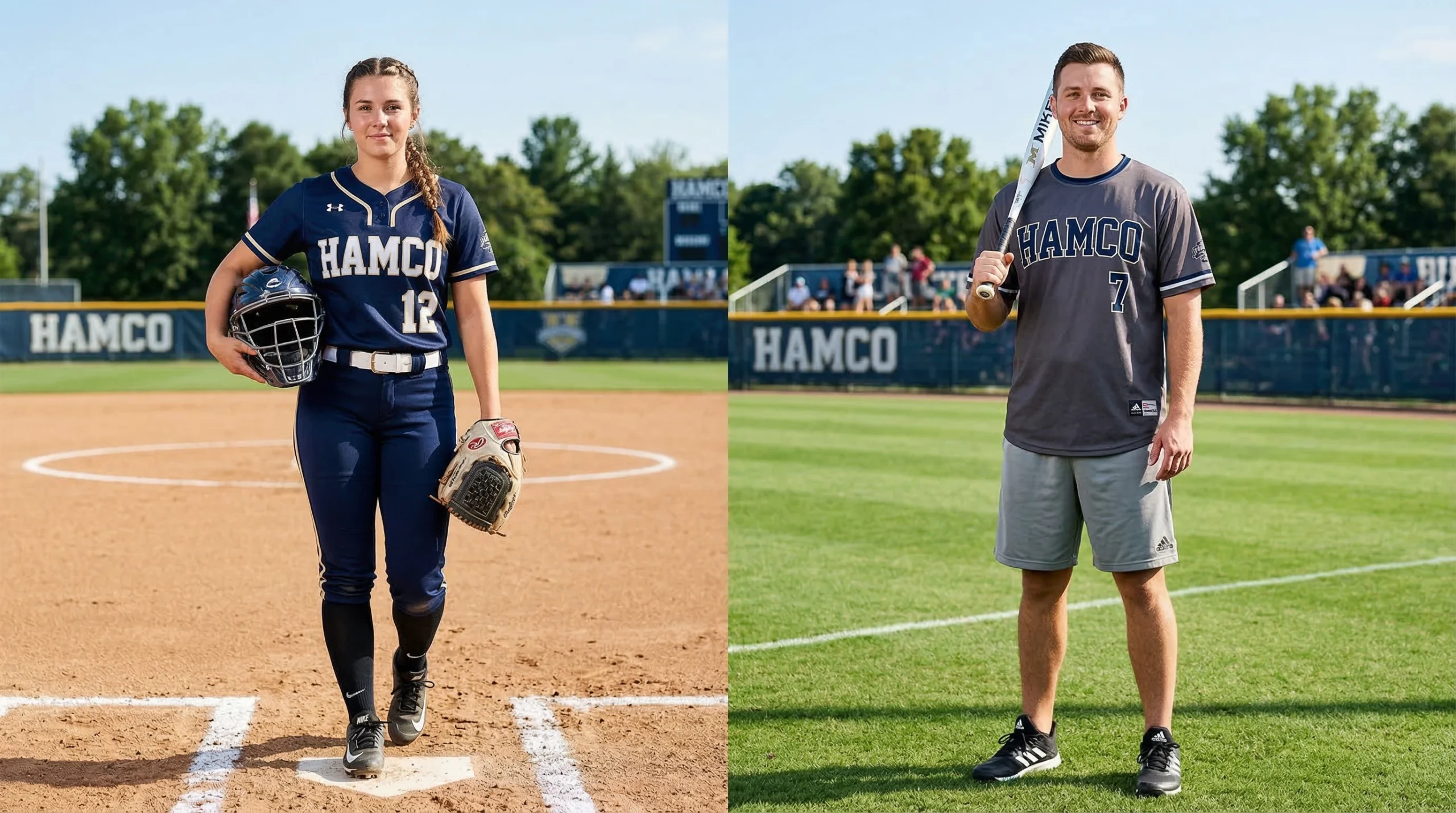
Coaching a softball team comes with a long list of responsibilities, and making sure your players show up in the right gear is near the top of that list. Whether you are running a competitive fastpitch program or organizing a recreational slowpitch league, the uniform and equipment requirements between the two formats are not the same. Ordering the wrong jerseys, pants, or protective gear can lead to players being turned away at the plate or your team facing penalties before the first pitch is thrown. If you are ready to outfit your squad the right way, start by exploring custom softball uniforms built specifically for your format, then read through everything below so you understand exactly what each style of play demands.
Why the Two Formats Are Not the Same
Most people outside the sport assume softball is softball, but the reality is that fastpitch and slowpitch are practically different sports in terms of pace, skill level, and official requirements. Fastpitch is the format played at the high school, collegiate, and Olympic level. Pitchers deliver the ball underhand at speeds that can exceed 70 miles per hour, and baserunning is aggressive. Slowpitch, on the other hand, uses a higher arc on the pitch, is more commonly played in recreational and senior leagues, and places a greater emphasis on hitting rather than pitching strategy.
These differences in how the game is played directly influence the gear players need and the uniform standards leagues enforce. A coach who does not understand fastpitch vs slowpitch gear differences is setting their program up for avoidable problems.
Fastpitch Softball Uniforms: What the Rules Require
Jersey Standards
In fastpitch, jersey standards are tightly regulated, especially at the high school and college levels. The Amateur Softball Association (ASA), now operating under USA Softball, along with the National Federation of State High School Associations (NFHS), sets clear expectations.
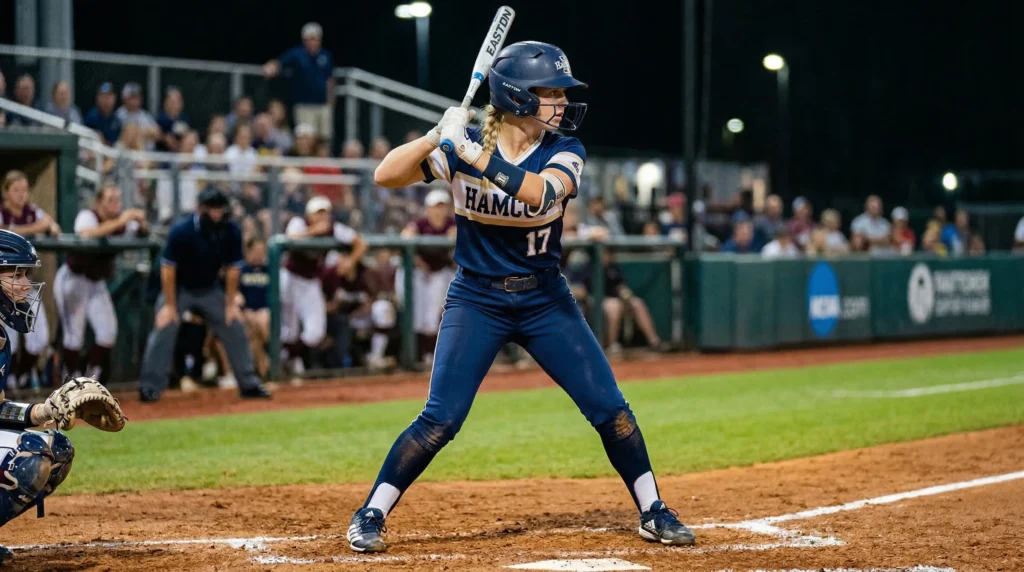
All players on the same team must wear jerseys of the same color and style. The jersey must display the player’s number on the back in a contrasting color, and that number must be at least six inches tall. Numbers on the front of the jersey, if included, must be at least four inches tall. Player names on the back are permitted in most associations but are not always required.
Undershirts are allowed and are common in fastpitch because the game is often played in cooler conditions during spring seasons. However, all visible undershirts worn by teammates must be the same color. If one player wears a white undershirt, every player wearing an undershirt must also be in white.
Fastpitch softball apparel at the competitive level is typically made from moisture wicking, stretch performance fabrics. These materials allow pitchers to move through their full windmill motion without restriction and give catchers the flexibility they need behind the plate.
Pants and Sliding Shorts
Fastpitch pants are a major point of distinction from slowpitch. Because fastpitch involves aggressive baserunning, stealing, and headfirst slides, players almost universally wear full length pants. These pants are designed to protect against turf burns and abrasions.
Sliding shorts are worn underneath the pants and are considered a standard piece of fastpitch softball apparel at virtually every level. They are usually tight fitting compression shorts with light padding along the hip and thigh area. Some leagues require that any compression gear worn under the pants matches the team color, so coaches should confirm this before outfitting their roster.
Belt requirements also come into play. Most fastpitch leagues at the scholastic level require all players to wear a belt of the same color if the pants include belt loops.
Helmet and Protective Gear
Fastpitch batting helmets must carry a NOCSAE certification stamp. This is non negotiable at the sanctioned competitive level. The helmet must cover both ears, and face guards are mandatory for youth leagues and strongly recommended at all levels.
Catchers in fastpitch wear the most protective gear of any position in softball. The full catcher kit includes a helmet with a face mask, a throat guard, a chest protector, shin guards that extend over the knee, and a catchers mitt that is specifically sized differently from fielding gloves. All of this equipment must meet league standards for certification and fit.
Pitchers in fastpitch are not required to wear additional protective gear beyond the helmet when batting, but some leagues at the youth level now require or strongly recommend a protective face mask for pitchers in the field. Coaches should always check their specific league rules on this.
Slowpitch Softball Uniforms: A More Flexible Standard
Jersey and Pants Requirements
Slowpitch uniform rules are generally less strict than those in fastpitch, particularly in recreational and corporate leagues. That said, any organized league operating under ASA or USA Softball governance still requires teams to maintain uniformity across the roster.
In slowpitch, jerseys must match in color and style across the team, and numbers are required on the back. The number standards are typically the same, requiring at least a six inch number on the back. However, enforcement at the recreational level can vary considerably from one league to another, and some local leagues operate with far more flexibility on font style and placement.
One of the most noticeable differences in slowpitch softball apparel is the prevalence of shorts. Many recreational slowpitch leagues allow players to wear athletic shorts rather than full length pants. This is almost never the case in sanctioned fastpitch play. Coaches managing slowpitch teams should confirm with their league administrator whether shorts are acceptable or whether pants are required before placing a uniform order.
When pants are worn in slowpitch, they are typically the same style as fastpitch pants, but the fit can be slightly more relaxed. Because aggressive sliding is less common in slowpitch due to the nature of the game, players do not always invest in the same level of padding in their pants or compression gear underneath.
Footwear and Cleats
Both fastpitch and slowpitch players wear cleats, but the type of cleats allowed differs by format and age group. Metal cleats are standard at the advanced fastpitch level, including high school and college. However, most youth fastpitch leagues and virtually all slowpitch leagues require molded rubber or turf cleats only.
This distinction matters greatly when coaches are advising players on what to purchase. A parent who buys metal cleats for a youth fastpitch player or a slowpitch adult league may unknowingly be in violation of softball uniform regulations. As the coach, making this clear at the start of the season avoids frustration later.
Equipment Differences Beyond the Uniform
The Softball Itself
The ball used in fastpitch is typically 11 or 12 inches in circumference depending on the age group and level. Slowpitch uses a 12 inch ball at most levels but can use a larger 14 inch ball in some senior leagues. The compression and core of the ball also differ, with slowpitch balls generally having a higher compression to accommodate the slower pitching speed and heavier hitting focus.
Coaches must always supply or confirm the correct ball specification when ordering team equipment. Using a fastpitch ball in a slowpitch game or vice versa is a rule violation and can affect the integrity of play.
Bats
Bat regulations are one of the most significant fastpitch vs slowpitch gear differences coaches encounter. In fastpitch, bats must be certified by USA Softball and meet specific length to weight ratio requirements, commonly referred to as the drop. A drop 10 bat is popular at the high school level, while college play typically uses a drop 9 or drop 8.
Slowpitch bats are built entirely differently. They are designed to maximize the trampoline effect on contact, allowing the ball to travel farther on hits. These bats go through their own certification process and carry different approval stamps than fastpitch bats. Using a slowpitch bat in a fastpitch game, or the reverse, is a violation and can result in ejection.
Coaches should never allow players to mix up their bats between formats. If your program runs both formats, keep the equipment clearly labeled and stored separately.
Gloves and Mitts
Fielding gloves are used across both formats, but catcher mitts and first base mitts follow the same standards in either format. In fastpitch, pitchers tend to prefer gloves that fully conceal the grip and the ball, since batters have less time to read the pitch. In slowpitch, this strategic consideration does not apply, and glove choice comes down to comfort and fit.
There are no official softball uniform regulations that govern fielding glove color in most associations at the recreational level, but at the high school and college level, fastpitch rules may place restrictions on pitcher glove colors to prevent distraction to batters. Coaches operating at this level should verify glove color rules with their governing body.
Ordering Uniforms: What Coaches Need to Confirm First
Before placing any uniform order, coaches should have answers to these essential questions.
- Confirm the governing body of your league. USA Softball, NSA, USSSA, and local recreation departments all have different standards. Your uniform must comply with the rules of the organization running your league, not just general softball standards.
- Clarify whether your team plays fastpitch, slowpitch, or both. If both, separate uniform sets may be necessary because softball uniform regulations are format specific.
- Check on number placement, sizing, and font requirements. Some leagues are very specific about these details and will disqualify players wearing non compliant jerseys.
- Review the policy on undershirts, compression gear, and belt colors before finalizing your order. These small details are often where coaches run into compliance issues.
- If your team includes a catcher, confirm all protective equipment meets the certification standards of your league before the season begins.
Common Mistakes Coaches Make with Softball Gear
One of the most frequent errors coaches make is assuming all softball leagues follow the same standards. They do not. Fastpitch softball apparel designed for a competitive high school team is not the same as what is appropriate for a community center slowpitch league.
Another common mistake is ordering gear based on personal preference rather than compliance. A coach who played slowpitch recreationally for years may not realize that a different standard applies to the fastpitch youth team they are now coaching.
Finally, many coaches skip the step of checking softball uniform regulations before a tournament. National tournaments and showcase events often have stricter uniform requirements than regular season league play, and showing up out of compliance can mean forfeited games or disqualified players.
Frequently Asked Questions
Can fastpitch players wear the same uniform for slowpitch games?
Not always. While the jersey and pants may be acceptable in some leagues, cleats, bat certifications, and other equipment rules differ by format. Always check with the specific league first.
Are metal cleats allowed in slowpitch softball?
Most slowpitch leagues prohibit metal cleats and require molded rubber or turf cleats. This is especially important in recreational and senior leagues where field surfaces and safety are a priority.
Do slowpitch teams need matching undershirts?
In formally governed slowpitch leagues, yes. Matching undershirt colors is a standard requirement when undershirts are visible. Recreational leagues may enforce this less strictly, but it is safer to keep them uniform.
What is the difference between a fastpitch bat and a slowpitch bat?
Fastpitch bats are designed for swing speed and control, while slowpitch bats maximize trampoline effect for distance hitting. They carry different certification stamps and cannot be interchanged between formats.
Does a youth player need different gear than an adult in fastpitch?
Yes. Youth fastpitch leagues have specific rules around ball size, bat drop requirements, helmet face guards, and cleat type that differ from adult fastpitch. Coaches should always reference the age group specific rulebook for their league.
Final Thoughts for Coaches
Understanding the fastpitch vs slowpitch gear differences is not just about following rules. It is about protecting your players, respecting the game, and running a program that operates with professionalism at every level. When your team steps onto the field in properly certified, league compliant gear, it sets a tone that carries through the entire season.
Take the time to review the softball uniform regulations for your specific league and format before you order a single jersey. The investment of time upfront saves you from costly mistakes, upset parents, and compliance headaches during the season. Your players will perform better when they feel confident in gear that fits right, meets standards, and represents the program well.