

A complete youth baseball equipment checklist removes the guesswork from getting a new player ready for their first season. Whether your child is stepping into T-Ball for the first time or joining a competitive travel baseball program, having the right gear protects them from injury, improves their performance, and helps them focus on the game rather than worrying about equipment. This guide covers every item on the youth baseball equipment checklist along with sizing advice, safety standards, and budget guidance to help parents make smart, informed purchasing decisions.
The youth baseball equipment list has changed significantly over the past decade. New USA Baseball bat standards have standardized the market. Helmet requirements have become more protective. Custom youth baseball uniforms have shifted overwhelmingly to sublimated designs. This checklist reflects the current standards for 2026 so you can shop with confidence.
Essential Youth Baseball Equipment Every Player Needs
At the core of the youth baseball equipment checklist are the items every player provides individually: a glove, a bat, a batting helmet, baseball cleats or athletic shoes, a belt, and a bag to carry everything. The league or team typically provides the uniform, catcher gear sets, batting helmets for shared use (though many families prefer their own), and game balls. Confirm with your league which items are provided before purchasing to avoid duplicating gear you do not need.
For a recreational youth baseball player joining their first season, the total equipment investment typically runs two hundred fifty to five hundred dollars for all individually purchased items. Travel baseball players with more specialized gear needs and higher-quality equipment requirements typically invest five hundred to one thousand dollars or more. Budget accordingly based on your league’s competitive level.
Choosing the Right Baseball Glove by Age and Position
The baseball glove is the most personal piece of equipment in the youth baseball equipment checklist. A glove that fits improperly or is sized for the wrong position makes fielding harder, not easier. Start with age-appropriate sizing.
Players aged five to seven playing T-Ball or Coach Pitch do best with gloves sized nine to ten inches. These smaller gloves are easier for young hands to squeeze closed and control. Players aged eight to ten should move to ten-to-eleven-inch gloves. Players eleven and twelve in Major Division typically use eleven-to-eleven-and-a-half-inch gloves for infield positions and up to twelve inches for outfield.
Position-specific designs exist even at the youth level. Infield gloves have shallower, rounder pockets for quick transfers and fast throws. Outfield gloves run larger with deeper pockets for tracking fly balls. Catcher mitts are circular with heavy padding — they are not interchangeable with fielding gloves. First base mitts are also distinct, with a rounded design that makes scooping low throws easier.
Breaking in a new glove before the season starts is essential. A stiff, unbroken glove does not close properly around the ball and will frustrate new players. Apply glove oil or conditioner, form a pocket around a ball, and play catch daily for two weeks before the season begins.
Bats: Understanding USA Baseball Standards
USA Baseball certification is mandatory for all composite and alloy bats used in Little League, Babe Ruth, Cal Ripken, PONY, and most travel baseball organizations at the youth level. The USA Baseball stamp on the bat’s taper is proof of certification. Do not purchase a bat without this stamp for use in an organized youth baseball league — non-certified bats will be removed from play.
Bat sizing is a function of height, weight, and swing strength. Drop weight, expressed as negative numbers like -10 or -12, describes the difference between a bat’s length in inches and its weight in ounces. A 28-inch bat weighing 18 ounces is a -10 drop. Younger players with less developed swing mechanics benefit from higher drop weights (-12 or -13) because lighter bats are easier to swing quickly. More experienced players can handle -10 or -8 drop weights.
To find the right bat length, have your player hold the bat at their side. If the barrel end rests at their palm, the length is appropriate. If they cannot reach it, the bat is too long. An overly long or heavy bat causes poor swing mechanics and slow bat speed. Visit USA Baseball equipment standards at https://www.usabaseball.com/ for complete certification guidelines.
Batting Helmets and Head Protection
NOCSAE-certified batting helmets are mandatory in all organized youth baseball programs. The helmet must fit snugly without rocking. A helmet that slides over the eyes or spins freely on the head is dangerously too large. A properly fitting helmet stays in place when shaken gently by the bill.
All players through Major Division must wear single-earflap helmets minimum, with the earflap protecting the ear facing the pitcher. Many leagues and all players in Majors and below are required to wear helmets with face guards or cages. Full-face helmets significantly reduce facial fracture injuries and should be required for all players through at least age ten, regardless of league rules.
Helmet sizing uses head circumference measurements. Measure around the widest part of the head just above the eyebrows. Compare this measurement to the helmet manufacturer’s sizing chart. Replace helmets that show cracks, deep dents, or structural damage — a compromised helmet provides no meaningful protection.
Cleats and Footwear for Young Baseball Players
Baseball cleats improve traction on grass and dirt infields but are prohibited in metal form below Junior League in most youth organizations. Rubber-molded or TPU cleats are standard for players through age twelve and are appropriate for all field conditions and surface types encountered in youth baseball.
Cleat sizing for growing players should allow a thumb’s width of space between the longest toe and the end of the cleat to accommodate growth during the season. Players whose feet grow rapidly mid-season may need mid-season replacements. Some parents deliberately size up by half a size at purchase to extend the useful life of each pair.
Protective Gear for Catchers
Catchers have an extended youth baseball equipment checklist compared to other positions. In addition to standard player gear, catchers need a helmet with face mask or full hockey-style helmet, a chest protector, leg guards sized to cover from mid-thigh to the ankle, a throat guard attached to the mask or helmet, and a catcher’s mitt rather than a standard fielding glove.
Most leagues provide catcher gear sets as shared equipment. However, many competitive programs and travel baseball teams encourage or require catchers to own their own gear for hygiene reasons and proper fit. A quality youth catcher gear set runs one hundred fifty to three hundred dollars complete. Look for sets with adjustable straps and padded chest protectors with extra sternum protection for younger catchers.
Baseball Bags and Gear Organization
A proper baseball bag makes a player’s life dramatically easier. Backpack-style baseball bags work well for younger players at the T-Ball and Coach Pitch levels. Roller bags with multiple bat sleeves, gear compartments, and a separate helmet compartment are ideal for travel baseball players carrying more equipment to tournaments with multiple games per day.
Label every piece of equipment with your player’s name before the first practice. Equipment left at fields and in dugouts disappears constantly throughout the season. A permanent marker on the bat knob, name tag in the glove heel, and initials on the helmet rim eliminates most equipment loss.
Custom Youth Baseball Uniforms
The league or team provides custom youth baseball uniforms in most organized programs. When your team or league is placing its uniform order, the complete baseball uniform set should include a jersey, baseball pants, a cap, and optionally a belt and socks. Custom youth baseball jerseys made from sublimated polyester fabric are the most durable option available and never crack, peel, or fade regardless of how often they are washed throughout the season.
If you are in a league that requires families to purchase their own uniforms independently, ensure you order youth sizing specifically calibrated for younger players. Adult baseball uniform sizing will not fit youth players properly. HAMCO Sports provides fully custom sublimated youth baseball uniforms at hamcospo.com/custom-baseball-uniforms/ with free design mockups and bulk league pricing.
Budget Breakdown for a New Youth Baseball Player
Planning your total equipment budget before shopping prevents overspending on items that are not essential for a beginning player. Here is a realistic breakdown for a first-year recreational youth baseball player: baseball glove in the thirty-to-eighty-dollar range depending on quality level, USA Baseball-certified bat from forty to one hundred fifty dollars, batting helmet from twenty-five to sixty dollars, rubber baseball cleats from twenty to fifty dollars, baseball bag from twenty-five to sixty dollars, protective cup and supporter from ten to twenty dollars, and batting gloves from fifteen to thirty dollars.
Avoid buying top-end equipment for a first-season player. Children try new activities and sometimes discover that baseball is not their primary passion after one season. Start with mid-range gear, see if the commitment is genuine, and invest in higher-quality equipment as the player develops and their dedication becomes clear.
Frequently Asked Questions
Frequently Asked Questions
Q: What is the most important piece of equipment for a new youth baseball player?
A: The batting helmet is the most critical safety item and should never be compromised on quality. Choose a NOCSAE-certified helmet that fits properly and includes appropriate face protection for your player’s age and division.
Q: How long does a USA Baseball-certified bat last?
A: A properly cared for composite or alloy bat in youth sizes typically lasts two to three seasons with regular recreational use. Travel baseball players who take significantly more swings may need annual replacement.
Q: Can my child use an older sibling’s baseball equipment?
A: Gloves and bags are fine to reuse. Check that helmets have not been in storage for more than five years and show no structural damage before reusing. Bats should be checked for cracks or dents that compromise the barrel integrity.
Q: Do players need batting gloves for youth baseball?
A: Batting gloves are optional in most youth leagues but provide grip, vibration dampening, and hand protection. Many youth players prefer batting bare-handed. Let your child try both and use what feels most comfortable.
Q: What is included in a typical league-provided youth baseball uniform?
A: Most leagues provide a jersey with player number and team name, baseball pants, and a team cap. Some leagues also provide socks and belt. Custom youth baseball jerseys ordered as part of a league set are typically sublimated with full team branding and each player’s name and number.
The youth baseball equipment checklist is not as daunting as it initially appears. Start with the safety essentials — properly fitted helmet, appropriate footwear — then add the performance items. Buy mid-range gear for first-season players, invest in quality as commitment grows, and let your team’s custom youth baseball uniforms handle the job of making every player look and feel like they belong on that field.

Related Articles
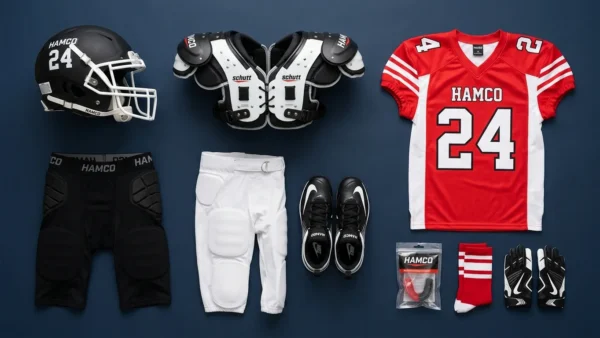
Youth Football Equipment Checklist 2026: Complete Gear Guide for Tackle & Flag
A thorough youth football equipment checklist ensures that every player takes the field properly protected and ready to perform. Whether...
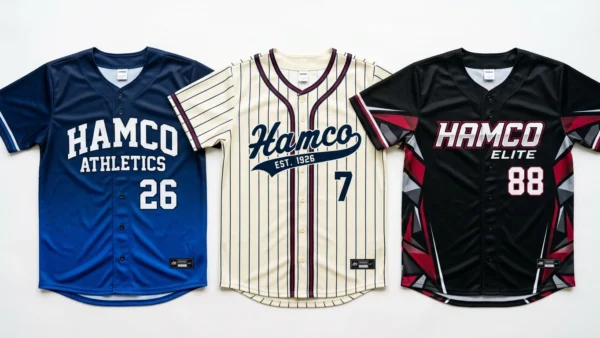
Custom Baseball Jersey Ideas 2026: Colors & Trending Styles
Great custom baseball jersey ideas are the starting point for any team or league that wants to build a visual...
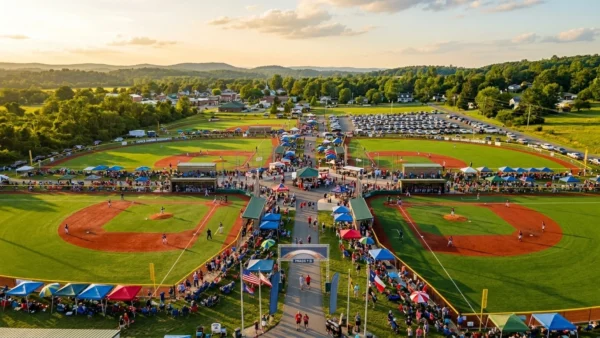
Best Travel Baseball Tournaments in 2026: USSSA, Perfect Game & State Guide
Travel baseball tournaments represent the highest level of youth competitive baseball outside of high school programs, and navigating the landscape...