

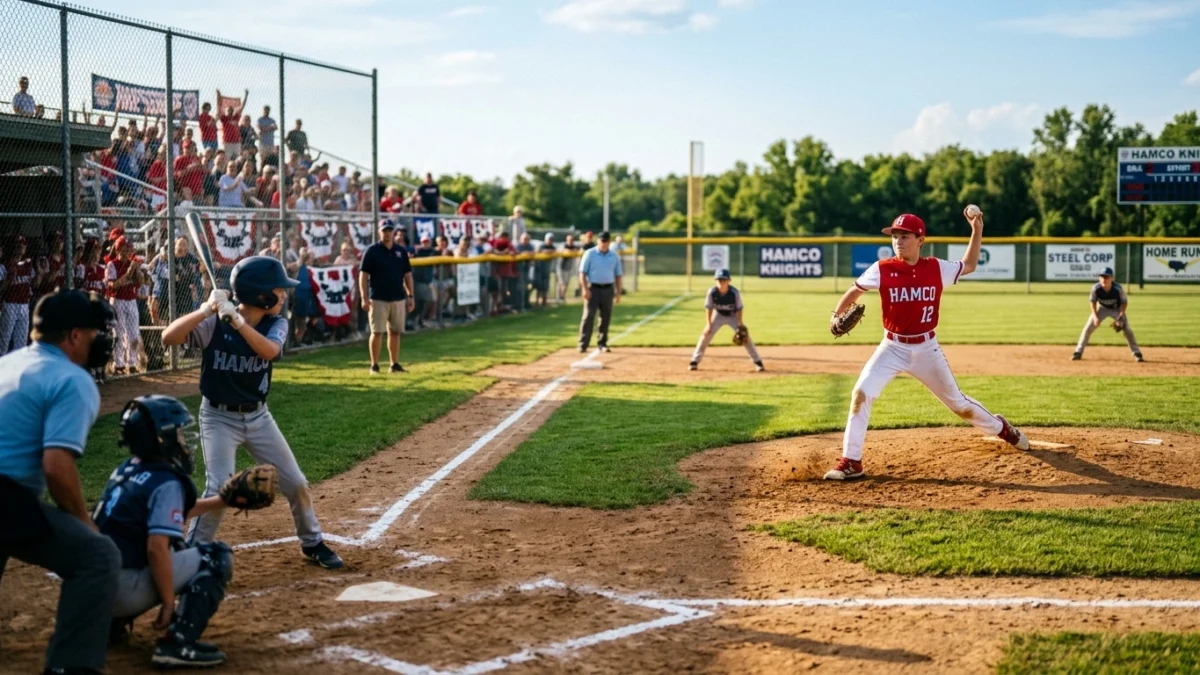
Little League rules govern the most popular youth baseball organization in the world, serving over 2.5 million players across eighty countries. If your child is starting their first season, or if you are a first-time coach stepping into the dugout, the rulebook can feel overwhelming. Base distances change depending on the division. Pitch counts have strict daily limits with mandatory rest days. Some divisions use coach pitch while others let kids throw from the mound. This complete guide to little league rules breaks down every essential regulation in plain language so parents, coaches, and players can find exactly what they need quickly.
Understanding little league rules makes the game better for everyone. Players perform with confidence when they know what is expected. Coaches make better tactical decisions when they understand the constraints. Parents relax and enjoy watching their kids play instead of arguing about calls they do not understand. Bookmark this guide and refer to it throughout the season.
Age Divisions and League Age Explained
Little League uses a concept called league age rather than a player’s actual birthday to determine division eligibility. A player’s league age is determined by their age as of August 31 of the current playing year. This standardization allows children born at different times of year to compete in the appropriate division regardless of when their birthday falls relative to the season start date.
T-Ball is designed for players aged four to six. Games are three innings, no official score is kept, and every player bats each inning. The emphasis is entirely on developing basic motor skills and a love for the game rather than competition. Coach Pitch covers ages seven and eight, with a parent or coach delivering pitches to the batter rather than peer pitchers. This eliminates the frustration of walks and wild pitches while teaching batters to put the ball in play.
Minor League accommodates players aged seven through eleven and splits into Coach Pitch and Player Pitch based on local league discretion. Games are six innings. Major Division is the classic Little League experience featured in the Little League Baseball World Series and covers players aged nine through twelve. The six-inning format, forty-six-foot pitching distance, and sixty-foot basepaths define this division. Intermediate 50/70 Division uses a fifty-foot pitching mound and seventy-foot bases and serves ages eleven to thirteen as a bridge to the larger diamond. Junior League and Senior League progressively introduce full diamond dimensions for players aged twelve through sixteen.
Field Dimensions by Division
Field dimensions in little league rules are carefully calibrated to match the physical development of players at each age level. T-Ball and Coach Pitch fields are the smallest, with fifty-foot basepaths and a thirty-eight-foot pitching distance to keep action moving quickly for young players with shorter attention spans.
Major Division, the most widely recognized little league experience, uses sixty-foot basepaths and a forty-six-foot pitching distance. Outfield fences typically range from one hundred seventy-five to two hundred feet from home plate. These dimensions create a challenging but achievable game for ten-to-twelve-year-olds who have developed to the point where full-speed pitching and competitive defense are possible.
Intermediate 50/70 Division uses seventy-foot bases and a fifty-foot pitching mound, making the game feel more like the high school and collegiate game without fully committing to the ninety-foot diamond. Junior League and above operate on regulation ninety-foot basepaths with the standard sixty-foot, six-inch pitching distance used in high school, college, and professional baseball.
Pitching Rules and Pitch Count Limits
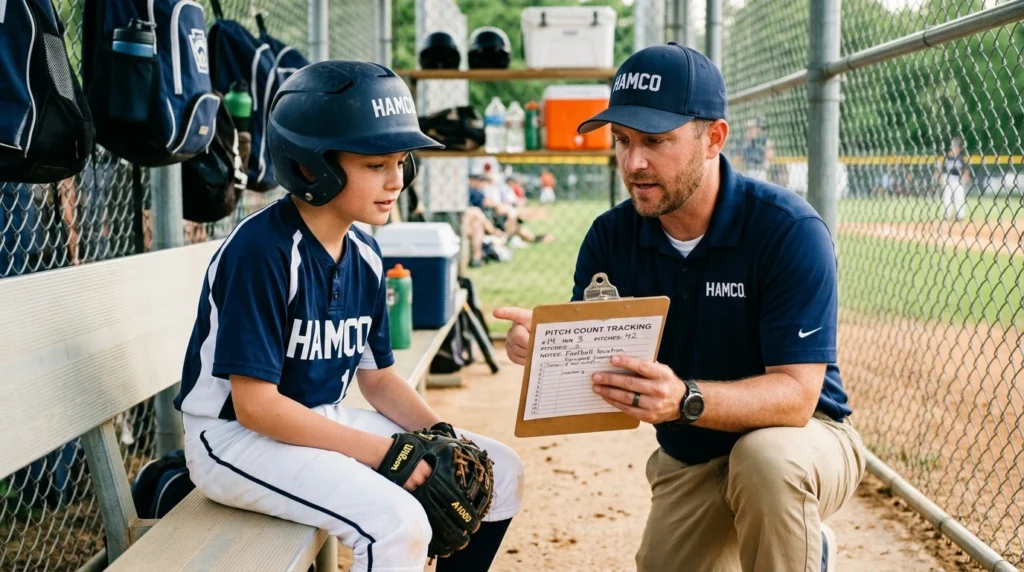
Pitch count rules in little league are among the most important regulations for protecting young arms from overuse injuries. The science behind arm injury prevention in youth baseball is well established: the repetitive stress of throwing, particularly curveballs and breaking pitches, places enormous strain on developing growth plates and ligaments. Little League has led the youth sports world in adopting evidence-based pitch count limits with mandatory rest days.
In Major Division for ages eleven and twelve, the maximum pitch count per day is eighty-five pitches. Players aged nine and ten are limited to seventy-five pitches per day. Rest requirements scale with the number of pitches thrown: one to twenty pitches requires zero days of rest before pitching again. Twenty-one to thirty-five pitches requires one calendar day of rest. Thirty-six to fifty pitches requires two days. Fifty-one to sixty-five pitches requires three days. Sixty-six or more pitches triggers a mandatory four full calendar days of rest before the player may pitch again.
A pitcher who has thrown sixty-six or more pitches in a day may not catch in that same game. A catcher who catches four or more innings is not eligible to pitch in that same game. These cross-position restrictions prevent coaches from working around pitch count rules through dual-role assignments.
Batting and Offensive Rules
The batting order must remain consistent throughout the game. Substitutes enter the lineup in the position of the player they replace. All players on a Little League roster must be in the batting order for most recreational divisions, which is different from tournament play where standard batting order rules apply. Batting out of order results in an appeal play that can result in an out if the opposing team catches the error before the next pitch.
Bunting is legal in all divisions that feature player pitching. Infield fly rule applies in Major Division and above when there are fewer than two outs and runners on first and second, or bases loaded. The rule prevents fielders from intentionally dropping pop-ups to gain double-play advantages. Understanding the infield fly rule is one of the most common areas of confusion for new coaches and parents.
Defensive and Fielding Rules
In Most Little League divisions, all roster members must play a minimum number of innings in the field. The mandatory play rule requires every player on a team roster to play at least six consecutive outs in the field in each game. Coaches who fail to comply with this rule face disciplinary action from the league. This rule exists specifically to protect younger and developing players from being benched for entire games.
Obstruction and interference rules in little league baseball follow the same general framework as Major League Baseball, though enforcement at the youth level focuses on education rather than strict penalization for minor violations. Coaches are encouraged to teach proper base-running and fielding positioning to prevent obstruction situations rather than relying on umpires to make judgment calls.
Playing Time Requirements
Every player on the roster must play a minimum of six consecutive defensive outs and bat at least once in any game that has at least fifteen outs recorded by the opposing team. If a game is shortened due to weather or time limits before fifteen outs are recorded, the minimum play requirement is waived. Teams that play shorthanded due to player absences may request an exception from the opposing manager to avoid forfeiture.
Playing time rules are the most emotionally charged aspect of youth baseball for parents. Coaches who communicate their playing time philosophy clearly and consistently before the season begins encounter far fewer conflicts during the season. Post a written playing time policy in your team communications before opening day.
Equipment and Uniform Requirements
All players must wear a complete team uniform including a jersey with a visible number on the back, baseball pants, and a team cap. NOCSAE-approved batting helmets with ear flap protection are mandatory for all batters and base runners. Helmets with face guards or cages are required in all divisions below Junior League and strongly recommended above it.
USA Baseball bat standards apply to all composite and alloy bats used in Little League through Major Division. Look for the USA Baseball certification stamp on any bat before purchasing for a player in these divisions. Metal cleats are prohibited in all divisions below Junior League. Players may wear rubber-molded baseball cleats or athletic sneakers in younger divisions.
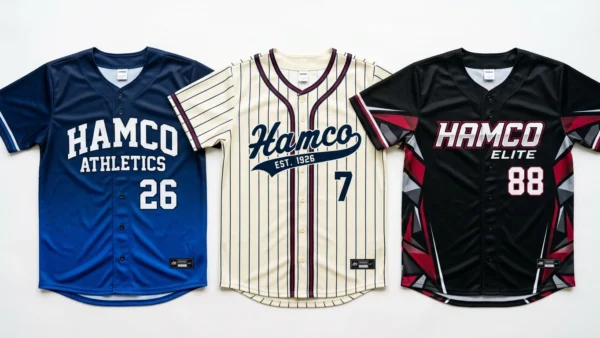
Little League uniform requirements specify that all players on a team must wear matching uniforms. Custom youth baseball uniforms ordered for a Little League team must include a jersey with a visible player number, baseball pants in matching team colors, and a team cap. When ordering little league baseball uniforms, confirm your local league’s specific color and numbering requirements. Outfitting your Little League team with custom sublimated uniforms from hamcospo.com/custom-baseball-uniforms/ ensures your jerseys meet durability and appearance standards while giving every player a uniform they are proud to wear.
Tournament and All-Star Eligibility
Little League tournament eligibility rules determine which players can participate in the post-season All-Star tournament structure that leads to the Little League Baseball World Series. Players must have participated in a minimum number of regular-season games with their team to be eligible for tournament play. The exact number varies by district and is published each year in the official tournament rules.
Players may only participate in one team’s All-Star tournament in a given year. Age eligibility for the Major Division World Series allows players aged ten through twelve. Twelve-year-olds are the oldest eligible participants in the event that culminates in Williamsport, Pennsylvania each August.
Parent and Coach Conduct Rules
Little League maintains a strict code of conduct for all adults involved in the program, including parents, coaches, and team managers. Verbal abuse of umpires, opposing players, or coaches is grounds for ejection from the game and potentially the facility. Coaches ejected from a game must leave the facility entirely, not simply move to the stands.
The dugout during games is restricted to players, coaches, and designated team helpers. Parents are not permitted in the dugout during games. This rule protects the player experience and allows coaches to manage the game without parental interference. Clear communication of this policy before the season starts prevents awkward confrontations during games.
Frequently Asked Questions
Frequently Asked Questions
Q: Can a 12-year-old play in the Little League World Series?
A: Yes. The World Series Major Division includes players aged ten through twelve. Twelve-year-olds are the oldest eligible participants and typically serve as the experienced leaders of their All-Star teams.
Q: Are curveballs allowed in Little League?
A: No rule prohibits curveballs, but medical and coaching consensus strongly recommends that pitchers under age fourteen avoid breaking pitches. The stress placed on developing growth plates by curveball mechanics significantly increases injury risk.
Q: What happens if a team violates pitch count rules?
A: Pitch count violations are treated seriously. Depending on severity and whether the violation was intentional, consequences can range from a warning for the first offense to forfeiture of the game or suspension of the coach from future games.
Q: How long is a typical Little League game?
A: Major Division games are six innings and typically take one and a half to two hours. T-Ball and Coach Pitch games run shorter, typically sixty to ninety minutes. Most leagues impose a time limit of two hours to keep the schedule on track.
Q: Where can I find the complete official Little League rulebook?
A: The complete official rules are published annually at the Little League official rules page and are updated each January before the spring season begins.
Understanding little league rules makes baseball better for everyone involved. Players compete confidently, coaches make smarter decisions, and families enjoy the game rather than arguing about calls. Keep this guide bookmarked, review the official rulebook at the start of each season, and remember that the goal is to give every child a positive experience with the best game ever invented.

Related Articles
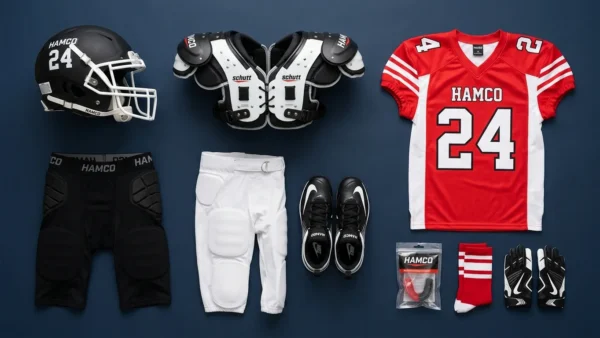
Youth Football Equipment Checklist 2026: Complete Gear Guide for Tackle & Flag
A thorough youth football equipment checklist ensures that every player takes the field properly protected and ready to perform. Whether...
Custom Baseball Jersey Ideas 2026: Colors & Trending Styles
Great custom baseball jersey ideas are the starting point for any team or league that wants to build a visual...
Best Travel Baseball Tournaments in 2026: USSSA, Perfect Game & State Guide
Travel baseball tournaments represent the highest level of youth competitive baseball outside of high school programs, and navigating the landscape...